


Summary
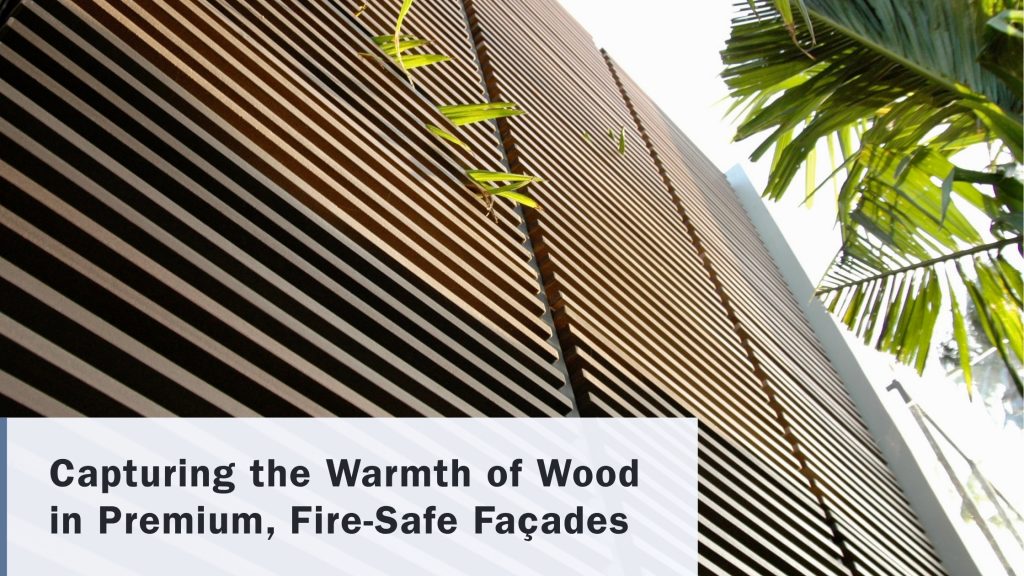
Architects no longer need to compromise between timber aesthetics and strict building regulations. This guide explores how next-generation composite façades replicate the authentic warmth, grain, and depth of natural wood while engineering advanced, fire-safe compliance directly into the material.
The timeless appeal of natural wood remains an enduring cornerstone of British architecture. From rustic rural conversions to sleek urban developments, the organic texture and visual warmth of timber elevate a building envelope like few other materials can. However, modern specifiers face a challenging dilemma. The harsh realities of the UK climate, intensive ongoing maintenance schedules, and increasingly strict building regulations regarding fire safety have forced a critical re-evaluation of traditional timber cladding.
Key Takeaways:
- Next-generation composite façades flawlessly replicate the authentic grain and depth of natural timber without the synthetic, plastic appearance of early alternatives.
- Fire-conscious façade design is now a fundamental regulatory requirement in the UK, making material selection critical to safeguarding human life and property.
- Premium composite materials feature fire-retardant chemistry engineered directly into the product, eliminating the need for recurring, toxic chemical treatments.
Architects, developers, and high-end homeowners shouldn’t be forced to choose between an inspiring aesthetic vision and structural integrity. The industry requires a solution that bridges the gap between design aspiration and regulatory compliance. By leveraging advanced material science, premium composite cladding offers a sophisticated alternative that satisfies both the eye of the designer and the rigorous demands of modern building safety.
The Evolution of Wood Alternatives: Beyond the Plastic Look
To understand the value of modern composite products, we must first address the elephant in the room: first-generation alternatives. Early iterations of composite siding often left much to be desired. They frequently suffered from a shiny, uniform, and overtly plastic appearance that failed to deceive the eye or match the prestige of high-end architectural projects.
Premium fiber-composite cladding that actually looks like real wood?
Yes. And the secret lies in the evolution of manufacturing technology. Next-generation composite materials have completely transcended the flaws of their predecessors through advanced multi-toned extrusion and deep embossing techniques.
Instead of flat, repeating patterns, contemporary composite wall cladding utilises high-definition texturing and variegated colour blending to mimic the natural grain, organic knots, and subtle tonal depth of genuine timber. Finished with sophisticated coatings that absorb light rather than reflecting it, these premium exterior systems provide the tactile, authentic warmth of wood while completely eliminating the synthetic sheen of the past.
Prioritizing Fire-Conscious Façade Design
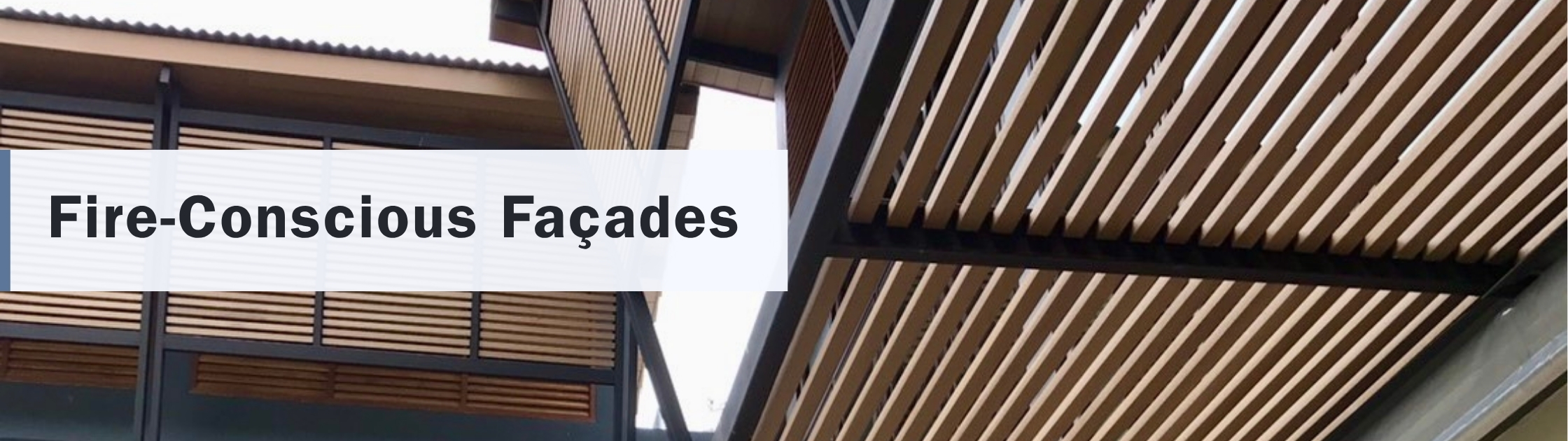
In the UK construction landscape, the regulatory environment surrounding external wall systems has rightfully tightened. Following crucial updates to Building Regulations, the specification of exterior materials is subject to unprecedented scrutiny. Fire-conscious façade design is no longer an optional luxury or an afterthought; it is a core structural responsibility at the heart of modern building design.
Designing with intent means acknowledging that the exterior envelope is a building’s first line of defence. When choosing materials for multi-story residential blocks, commercial spaces, or premium dwellings, the focus must extend beyond mere curb appeal. Incorporating high-performance composite cladding ensures that the building envelope actively mitigates risk, preventing external fire spread while preserving the architectural integrity and visual identity of the project.
Engineering Safety: The Anatomy of Fire Safe Exterior Building Products
Transitioning from how a building looks to how it performs requires a closer look behind the grain. What makes advanced fiber-composite building products inherently safer than traditional timber? The answer is engineered into the very chemistry of the material.
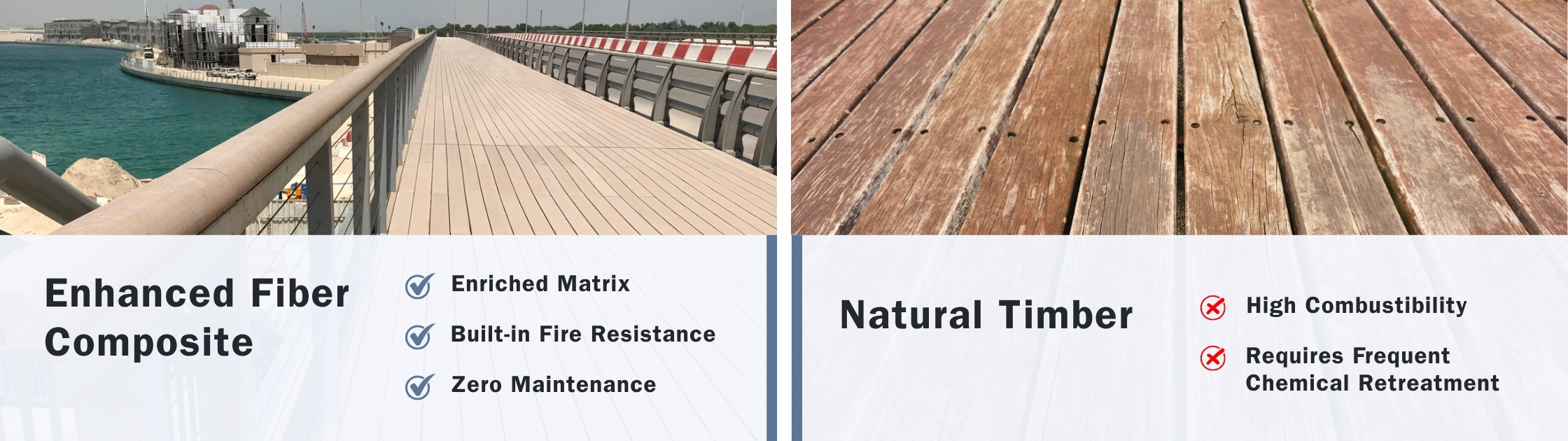
Unlike raw wood, which naturally fuels combustion, premium composite materials incorporate advanced fire-retardant mineral matrices and structural fibers.
Novano’s Premier Fire Safety Certification: ASTM E84 Class A
For projects demanding verified, tier-one safety data, Novano products carry the premier ASTM E84 Class A certification for Surface Burning Characteristics. As the benchmark standard referenced heavily across North American commercial and high-occupancy codes, an ASTM E84 Class A rating is the highest classification achievable for surface flame spread.
To achieve this, the material is subjected to rigorous testing inside a controlled tunnel furnace to measure two key critical metrics:
- Flame Spread Index (FSI): Evaluates how quickly a fire travels across the material surface (Class A requires an elite score of 0 to 25).
- Smoke Developed Index (SDI): Measures the density of smoke produced during combustion to safeguard evacuation paths.
In tandem with these elite US credentials, Novano’s core technology aligns with rigorous fire propagation and flame spread baselines, demonstrating compliance with the fundamental testing parameters of BS 476 Part 6 (Fire Propagation) and achieving a Class 1 rating under BS 476 Part 7 (Surface Spread of Flame).
The Long-Term ROI of Engineered Composites
The commercial and practical benefits of these advanced composite products extend far beyond initial building compliance:
- Inherent Protection: Fire-retardant properties are baked directly into the fiber chemistry, eliminating the risk of degradation over time.
- No Re-applications: Traditional timber demands toxic fire-retardant chemical coatings that must be reapplied every few years to maintain efficacy.
- Weather Resilience: Composite wall cladding resists moisture absorption, UV fading, and warping, ensuring the façade remains pristine for decades.
- Reduced Lifecycle Costs: The elimination of painting, staining, and treating translates to significant long-term financial savings for property owners.
Conclusion
The future of architecture relies on smart, innovative materials that respect both the creative vision of the designer and the absolute safety of the building’s occupants. You no longer have to compromise on the organic warmth of timber to achieve a fully compliant, fire-safe exterior. By embracing advanced composite façades backed by premier international standards like ASTM E84 Class A, the modern construction industry can confidently deliver stunning, durable, and resilient structures built for the future.
Ready to elevate your next project? Explore Novano’s premium composite product range, request a sample box to experience the authentic matte texture firsthand, or consult with one of our architectural technical specialists today to ensure your next design is beautifully fire-compliant.

FAQs
How do modern composite products achieve a realistic wood look without looking shiny or plastic?
Modern composite cladding utilizes advanced high-definition texturing, non-repeating grain embossed patterns, and variegated color blending. These elements are finished with a premium coating that absorbs light, successfully mimicking the natural depth and warmth of genuine timber.
Does the fire-retardant capability of composite siding degrade over time like treated timber?
No, the fire safety of premium fiber-composite cladding is baked directly into the material’s structural chemistry during manufacturing. Unlike traditional wood, it never requires the periodic reapplication of toxic fire-retardant surface chemicals to maintain its safety rating.
What are the long-term maintenance differences between real timber cladding and premium composite façades?
Real timber requires regular staining, sealing, and painting to combat rot, UV fading, and weathering. In contrast, premium composite cladding is highly resilient against the elements, requiring only an occasional wash with soap and water to retain its original appearance for decades.
What does Novano’s ASTM E84 Class A fire certification mean for building safety?
An ASTM E84 Class A rating is the highest surface-burning classification available under this premier American standard, proving the material has exceptional resistance to flame spread and minimal smoke development. This independent testing ensures the façade meets rigorous safety requirements for high-density and commercial architectures.