


Summary
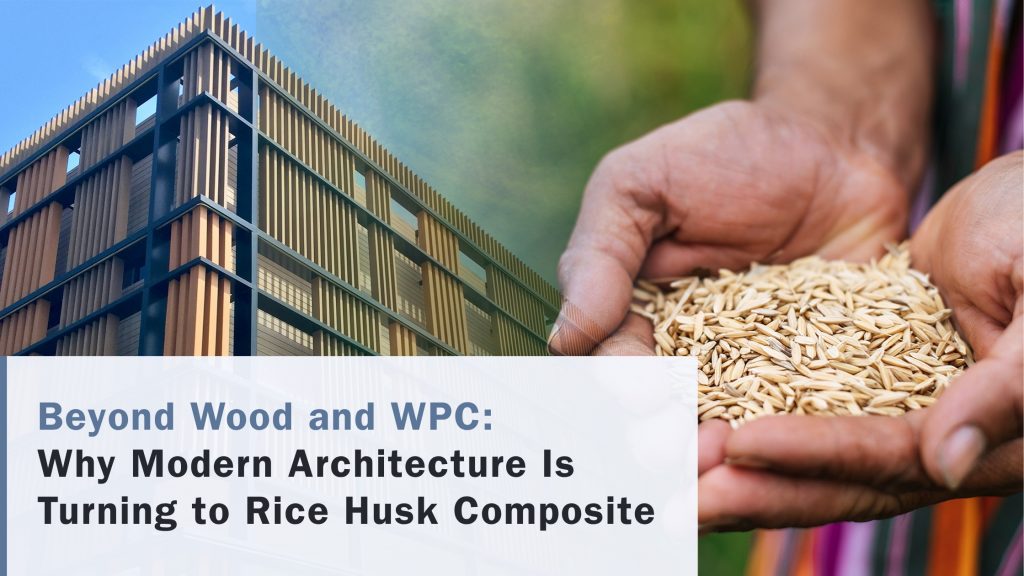
Traditional wood rots, and standard WPCs warp under thermal stress. Modern architecture is turning to Novano’s rice husk Enhanced Fiber Composite (EFC) technology. This 100% wood-free material offers unmatched dimensional stability, rot resistance, and a premium aesthetic.
Natural timber has long been the gold standard for luxury exterior design, prized for its warmth and organic beauty. However, when exposed to harsh outdoor elements, traditional wood inevitably fails, succumbing to rot, warping, splintering, and severe fading. First-generation wood-plastic composites (WPCs) entered the market to solve these vulnerabilities, but they introduced a new set of headaches. Traditional composite materials often suffer from extreme thermal expansion, a distinctively plastic look, and structural degradation over time.
Key Takeaways:
- Novano’s Enhanced Fiber Composites are 100% wood-free, replacing vulnerable timber fibers with silica-rich rice husks to eliminate rot, mold, and insect damage.
- The natural silica within rice hulls provides superior dimensional stability, ensuring boards won’t warp or buckle under extreme temperature swings or coastal moisture.
- Novano products deliver the luxury aesthetic of exotic hardwoods without the burden of ongoing sanding, staining, or UV fading.
Today, a significant shift is occurring across the design and construction landscape. Modern architecture using rice husks technology is emerging as the next major evolution in exterior design. Leading this material revolution is Novano’s Enhanced Fiber Composite (EFC), a 100% wood-free, high-performance solution engineered specifically for the most demanding environmental conditions.
What Makes Rice Husks the Ultimate Building Material?
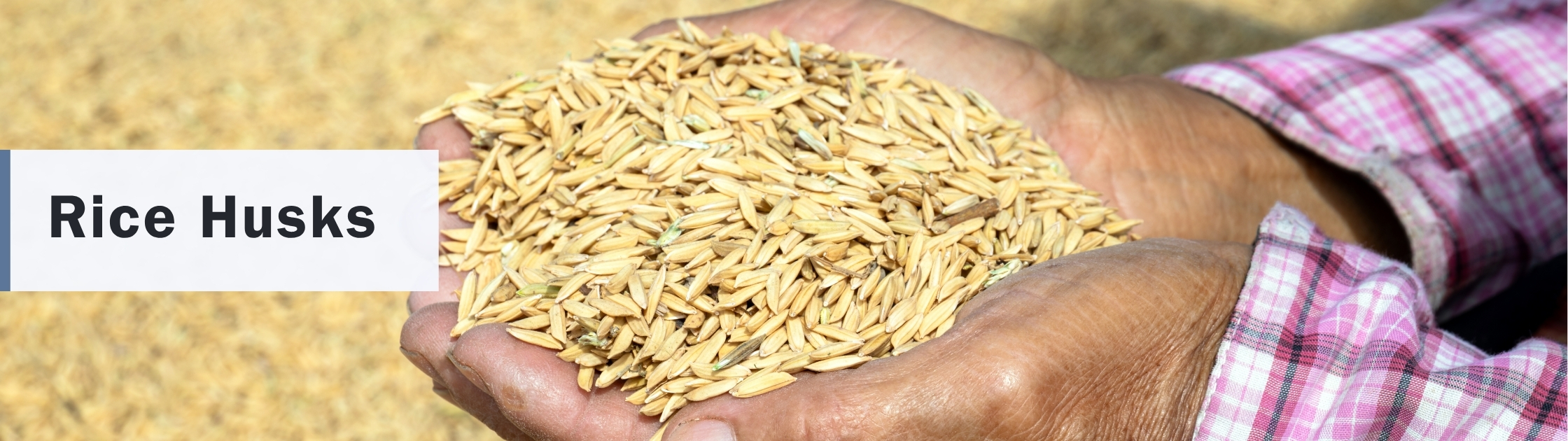
To understand why this material is replacing traditional composite products, it helps to look at the underlying material science. Rice husks (or hulls) are the hard, protective coverings of rice grains, traditionally treated as an agricultural byproduct and discarded or burned. Instead of letting this resource go to waste, Novano upcycles these husks into advanced composite materials, preventing agricultural carbon emissions and eliminating the need for deforestation.
The true breakthrough, however, lies in the hidden superpower of the rice husk: its exceptionally high natural silica content.
Unlike standard wood fibers, which act like tiny sponges that absorb water, swell, and rot, silica is inherently hydrophobic and structurally rigid. This cellular composition gives Novano’s Enhanced Fiber Composite made of rice husks built-in water resistance, exceptional surface hardness, and incredible dimensional stability. By replacing vulnerable organic wood flour with silica-rich rice hulls, the material behaves more like a protective mineral shield than a vulnerable organic plank. These unique rice husks benefits in construction allow architects to design outdoor spaces without the physical limitations of traditional materials.
Engineering the Perfect Exterior: The Benefits of Novano Decking & Cladding
When specifying materials for high-end residential or commercial projects, architects and builders require predictable performance. Novano’s specialized manufacturing process capitalizes on the strengths of rice hulls to deliver highly stable, beautiful exterior building products.
Novano’s premium product lineup offers distinct engineering advantages:
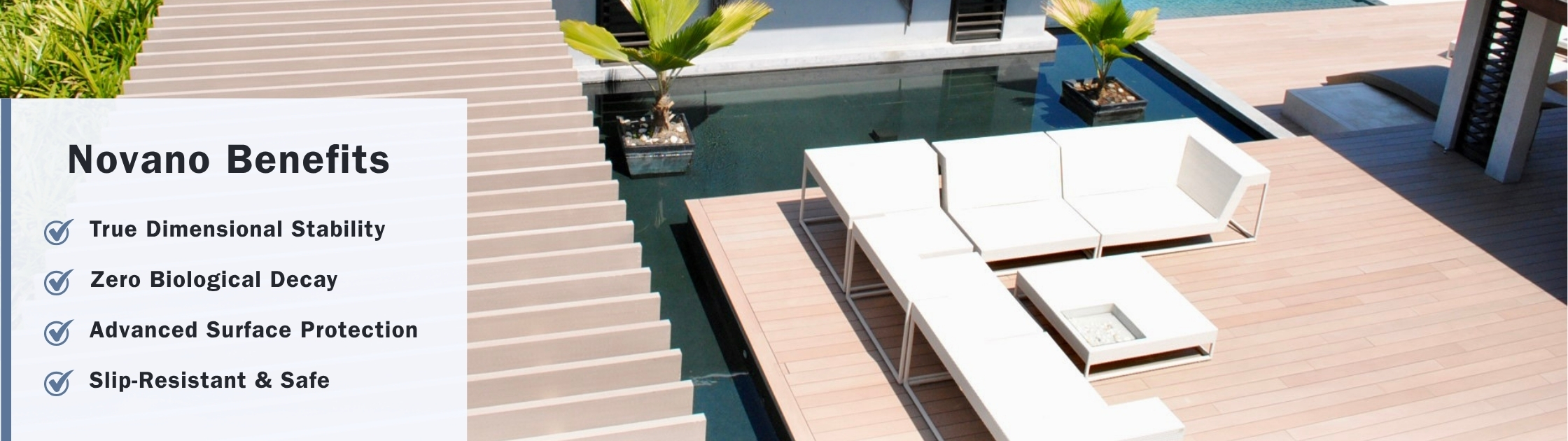
- True Dimensional Stability: Because of the dense silica matrix, these boards will not warp, cup, or crack when exposed to extreme sun, heavy frost, or coastal salt air.
- Zero Biological Decay: Featuring a completely wood-free formulation, there is no organic wood flour to host mold, mildew, or termites. The material maintains its structural integrity even in direct ground contact.
- Advanced Surface Protection: Novano utilizes proprietary color and surface technologies alongside specialized protective topcoats. This shield prevents the deep, rich colors from graying, chalking, or fading under intense UV exposure.
- Slip-Resistant & Safe: The natural texture of the composite provides excellent traction underfoot. This makes it an ideal choice for high-traffic commercial boardwalks, luxury residential pool decks, and wet environments.
Novano vs. Traditional Wood vs. WPC
Choosing the right material requires a direct look at how these products handle long-term exposure. The following matrix illustrates how Novano EFC outperforms both raw timber and first-generation composites.
| Performance Metric | Novano EFC (Rice Husk) | Natural Hardwood | Standard (WPC) |
| Moisture Absorption | Extremely Low (waterproof chemistry) | High (leads to rot & warp) | Moderate (can swell and delaminate) |
| Maintenance | Minimal cleaning; no staining required | Annual sanding, staining, and oiling | Regular cleaning; susceptible to deep stains |
| Thermal Movement | Excellent dimensional stability | Moderate warping and splitting | High expansion/contraction (buckling risks) |
| Environmental Impact | 100% wood-free; upcycles agricultural waste | Drives deforestation | Uses recycled plastics but relies on wood flour |
While natural wood requires relentless maintenance and standard WPC can look artificial and sag under heat, Novano EFC holds the premium aesthetic of exotic tropical hardwoods while functioning as an engineered shield against the elements.
Real-World Applications in Modern Architecture
Progressive designers are increasingly leveraging the stability of rice husks/hull to achieve seamless, continuous design flows. Because the material resists the warping and weathering common to traditional siding, it can be specified confidently for both interior transitions and exposed exterior applications.
Architects are finding creative applications for this material far beyond traditional decking floors:
- Premium Composite Decking: Providing high-end residential and commercial outdoor spaces with structural longevity, slip resistance, and a barefoot-friendly surface that handles extreme foot traffic and heavy weather without splintering.
- High-Performance Fencing: Engineering durable, low-maintenance perimeter privacy walls and residential fencing that resist high winds and ground-moisture rot without ever needing to be painted or stained.
- Architectural Facades & Cladding: Creating clean, linear lines on luxury residential exteriors that will not oil-can or distort over time.
- Composite Siding & Soffits: Providing warm, wood-like overhead textures on ceiling soffits and cantilevered roofs without the risk of moisture retention.
- Screen Walls & Louvers: Utilizing the material’s rigidity to build sharp, geometric privacy screens that remain perfectly straight over long spans.
Whether implemented in a high-humidity coastal resort or a modern urban rooftop exposed to freezing winters, this technology ensures that the building looks exactly as the architect intended for decades to come.
Actionable Next Step
Upcycling agricultural waste into a premium architectural asset isn’t just a smart sustainability trend; it’s an essential engineering upgrade for the modern building industry. By choosing a material that replaces vulnerable wood fibers with silica-rich rice husks, you eliminate the core vulnerabilities of traditional outdoor building products.
Ready to experience the Novano difference for yourself? Order your free sample kit today or connect directly with our architectural support team to review specs for your next project.

FAQs
What exactly is Enhanced Fiber Composite (EFC) made of rice husks?
They are premium building materials manufactured by combining upcycled rice hulls, an agricultural byproduct rich in natural silica, with high-quality polymers. This completely wood-free formulation creates a dense, hydrophobic profile that outperforms both natural timber and traditional wood-plastic composites.
How does rice husk decking handle heat and UV exposure compared to standard WPC?
Standard WPCs contain wood fibers that absorb moisture and expand rapidly when heated, often leading to warping and significant color fading. Novano’s composite decking utilizes natural silica and protective coatings to ensure minimal thermal movement and long-lasting resistance to UV graying.
Can Novano composite products be used for applications other than outdoor decking?
Yes, the exceptional dimensional stability of the material makes it highly versatile for a wide range of architectural features. Designers frequently specify it for premium composite siding, exterior wall cladding, ceiling soffits, and custom privacy screen walls.
What kind of maintenance is required to keep rice husk composites looking new?
Unlike traditional wood that requires annual sanding, sealing, and staining, Novano products require no specialized structural upkeep. Dirt and debris can be easily managed with a simple soap and water wash or an occasional pressure rinse.