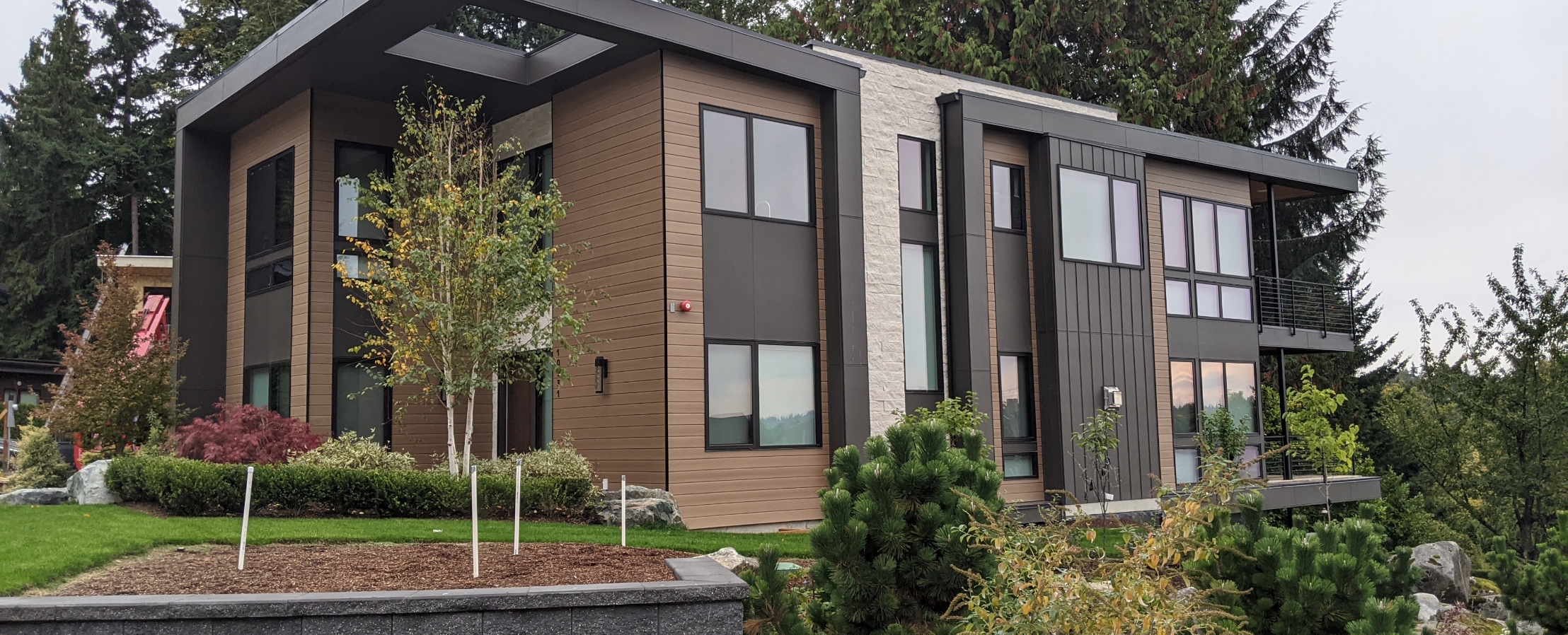
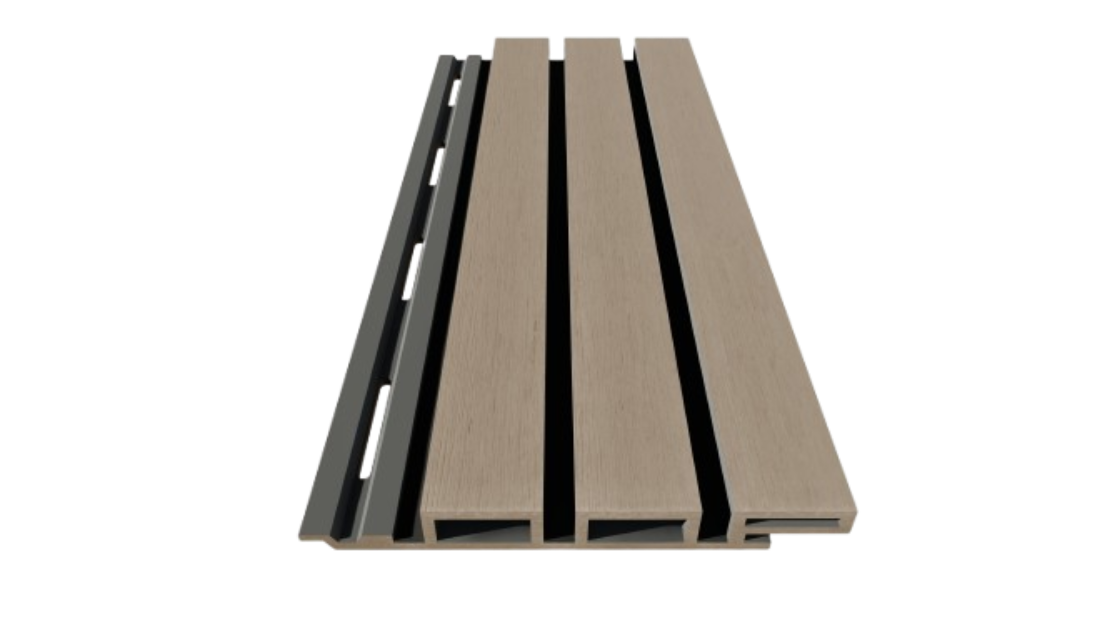
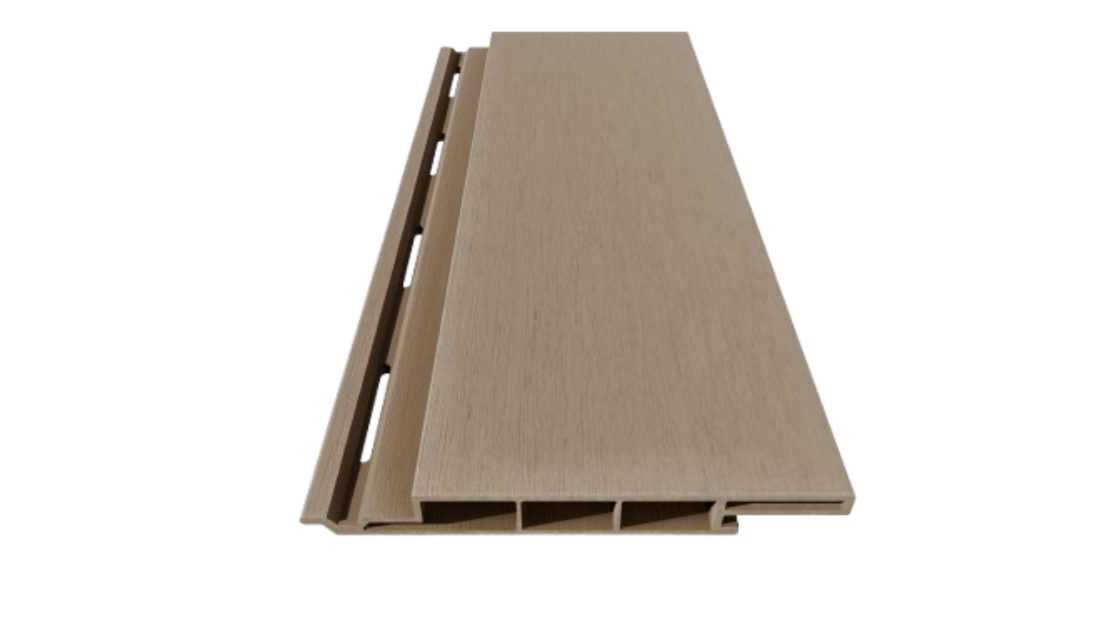
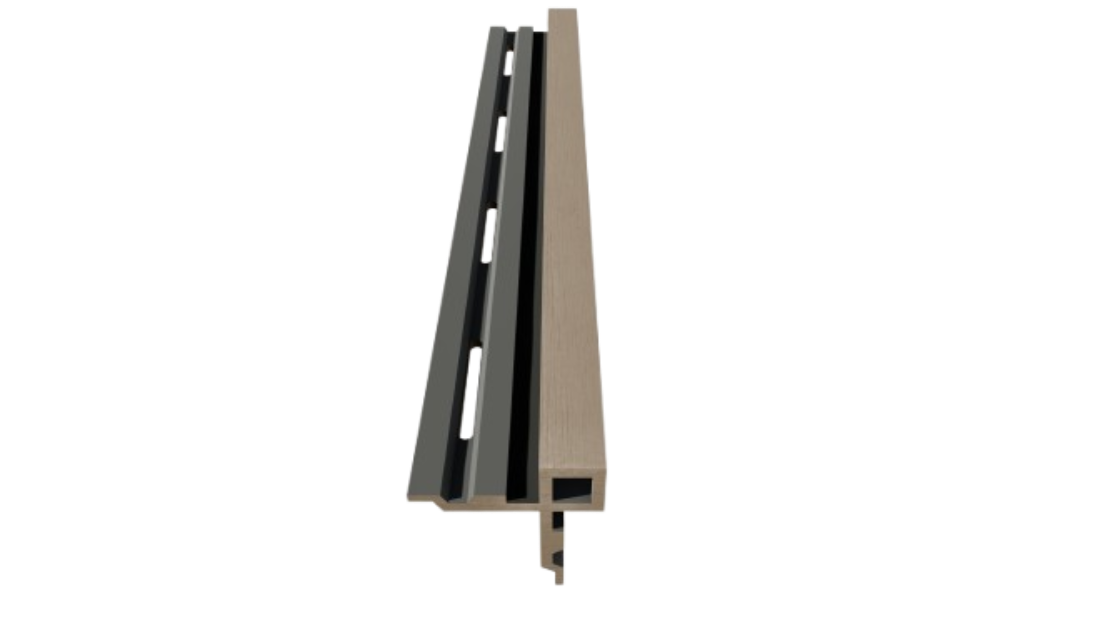
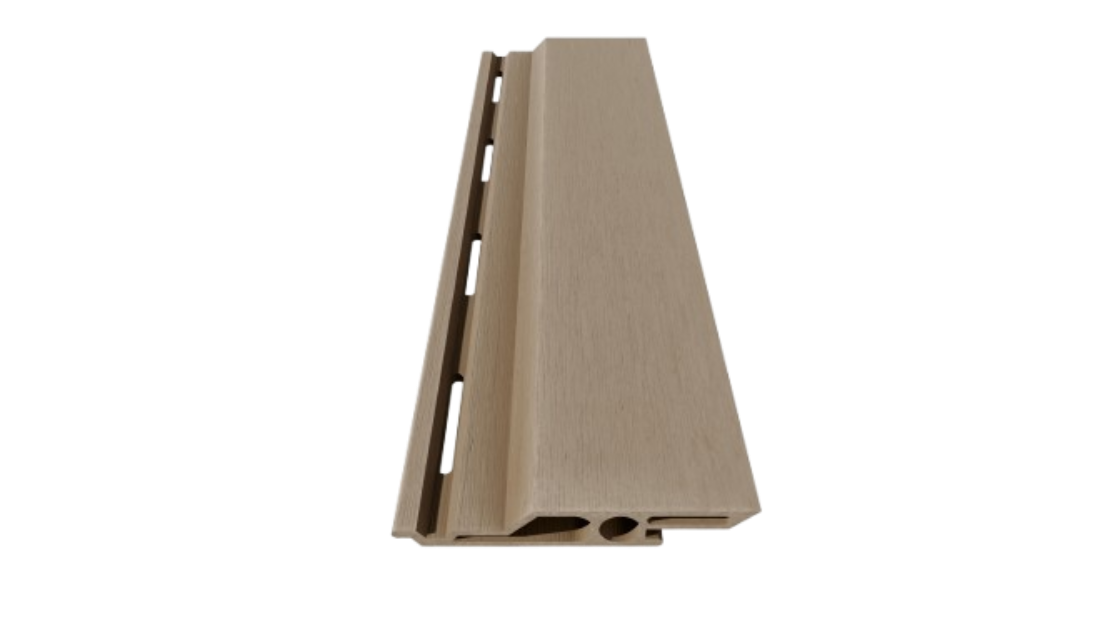
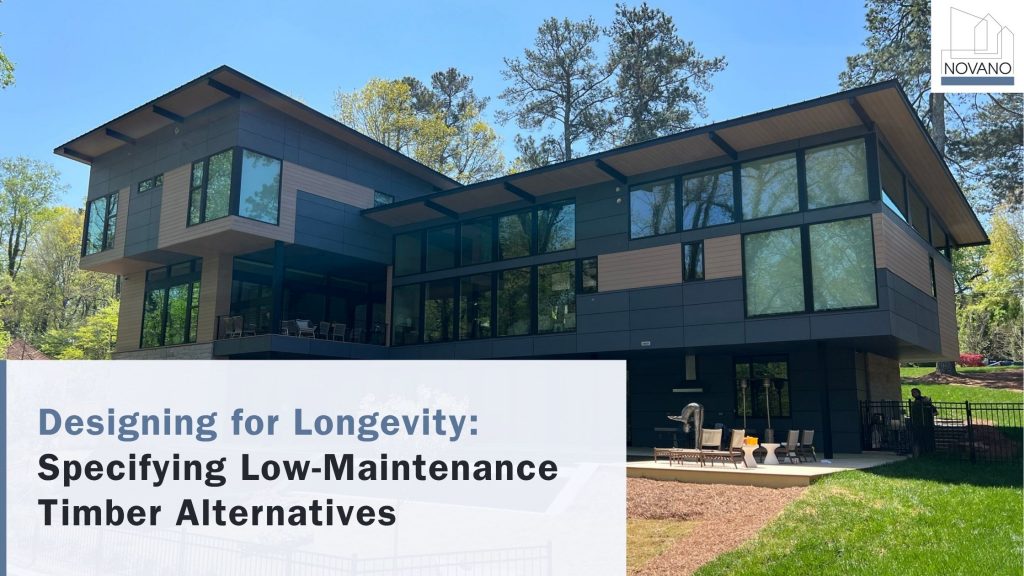
In modern architectural design, the building envelope must do more than just provide an aesthetic finish; it must function as a high-performance barrier. A ventilated rainscreen system is the gold standard for protecting structures from water infiltration and thermal stress. By pairing Novano’s dimensionally stable composite siding with a calculated airflow gap, architects and builders create a “breathable” facade that significantly extends the lifespan of the building.
The Role of the Ventilated Cavity
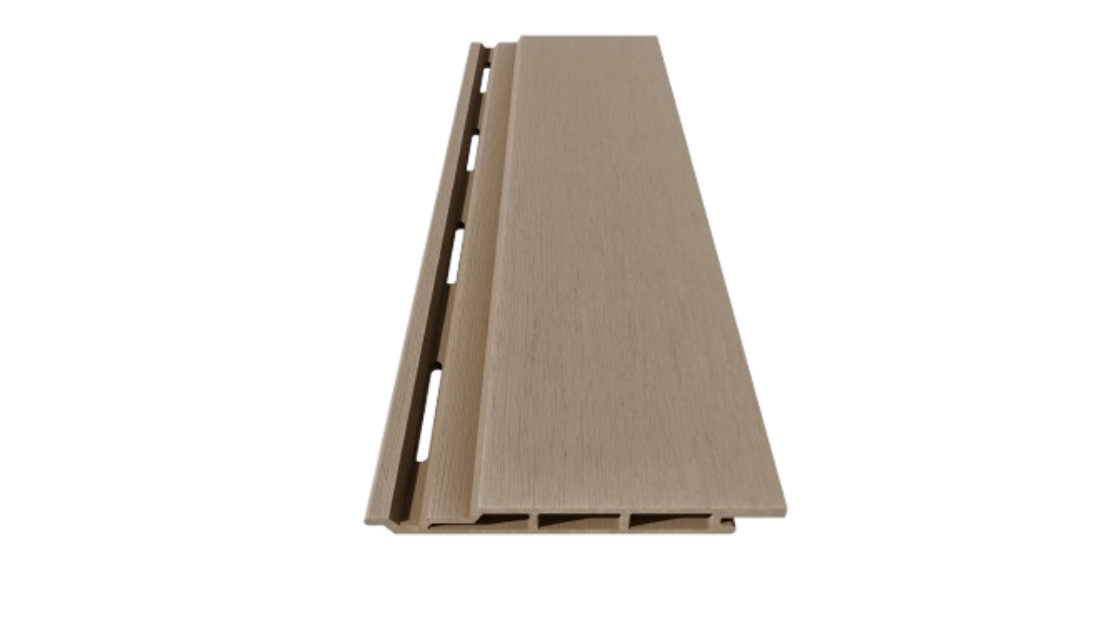
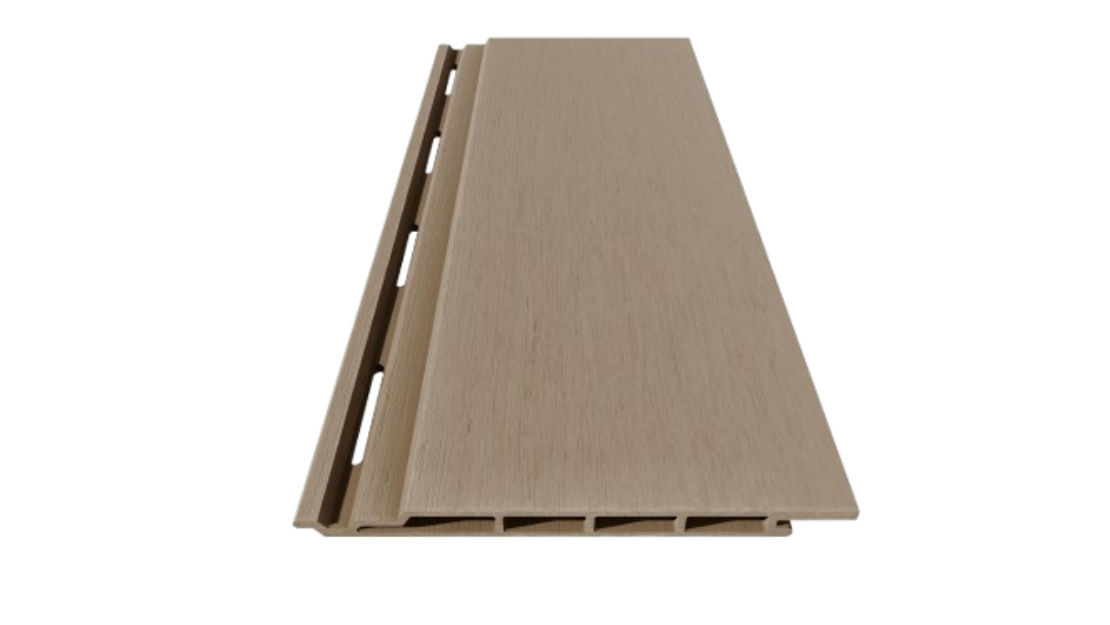
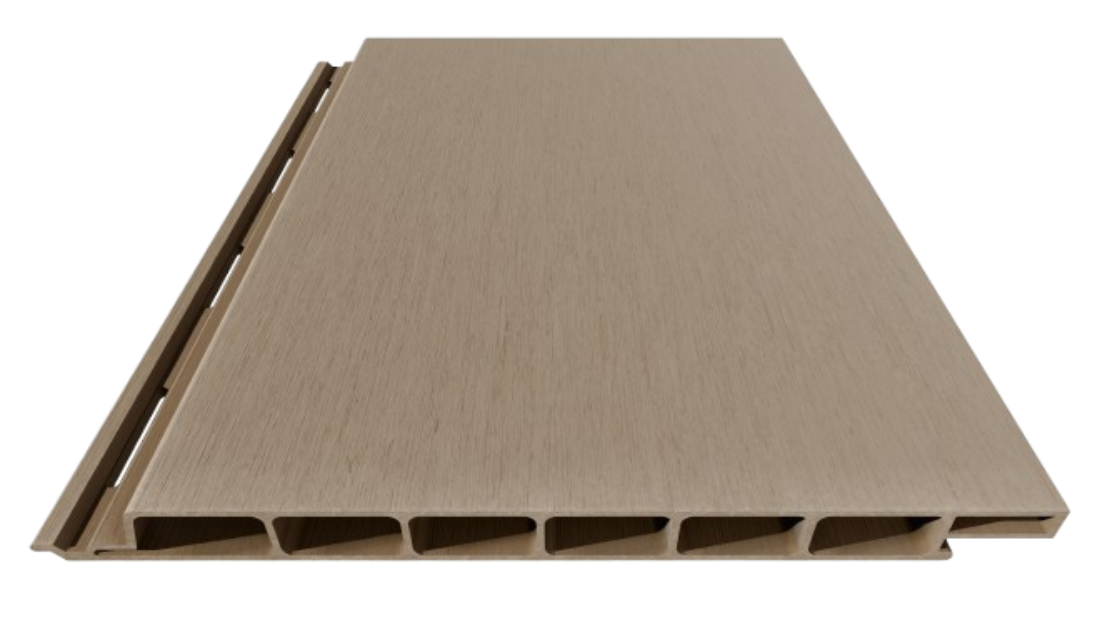
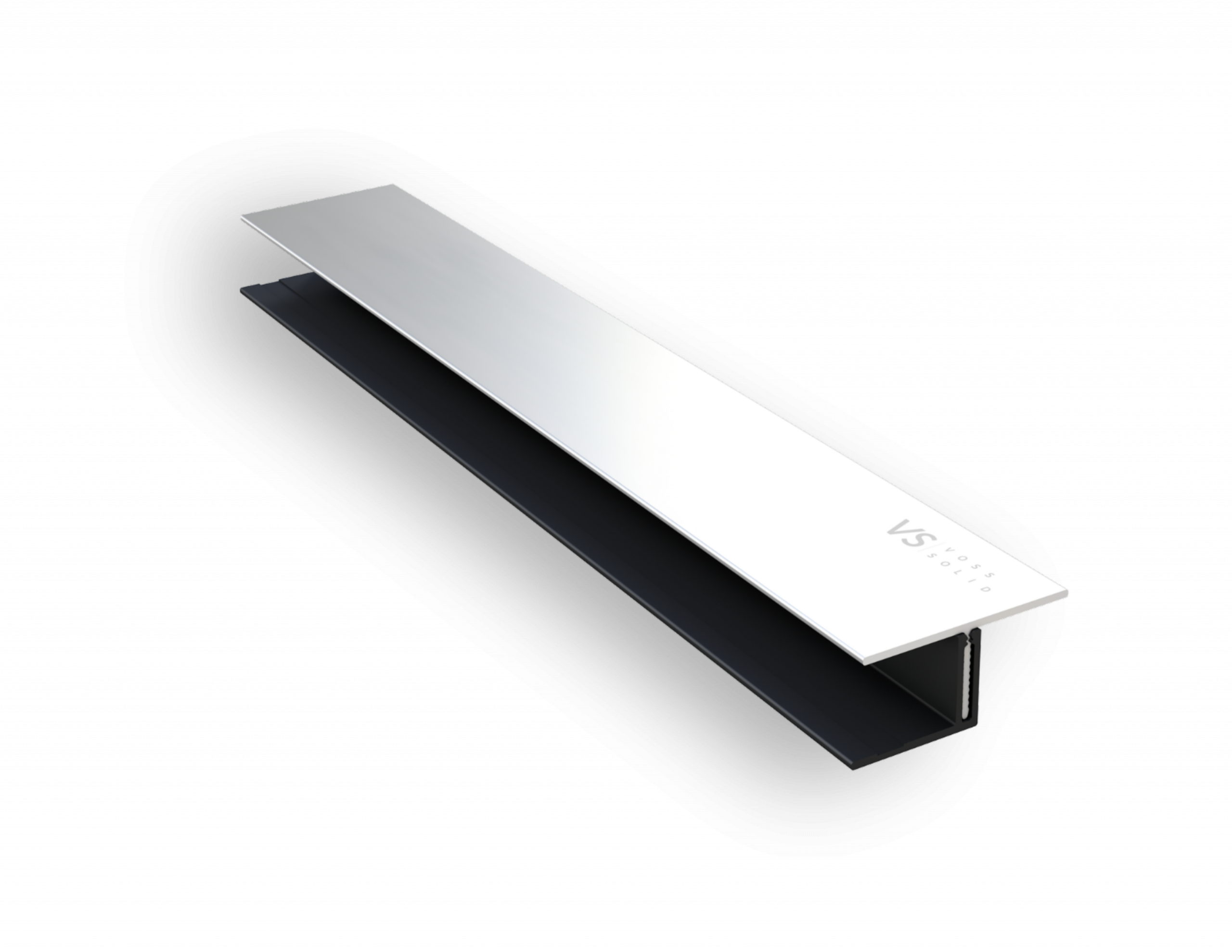
A rainscreen system consists of an outer cladding layer, such as Novano Composite Siding, installed over a moisture-resistant barrier and insulation. The defining feature is the ventilated air cavity between these layers. This gap serves two primary functions:
1. Pressure Equalization
It neutralizes wind-driven rain by equalizing the pressure between the exterior and the internal cavity.
2. Continuous Drainage
It provides a dedicated path for any incidental moisture to escape before it can reach the structural wall.
Preventing Structural Fatigue and Moisture Damage
Without proper ventilation, moisture becomes trapped within the wall cavity, creating a breeding ground for mold, mildew, and rot. In traditional installations, trapped humidity causes materials to swell and degrade. A ventilated rainscreen eliminates these “moisture traps,” ensuring the building envelope remains dry and the internal structural components are protected from long-term decay.
Thermal Efficiency and Passive Cooling
Ventilation within the rainscreen system does more than manage moisture; it acts as a thermal buffer.
- Reduced Thermal Bridging: Natural airflow within the cavity dissipates solar heat before it can penetrate the building’s interior.
- Energy Savings: By reducing the heat load on the building’s insulation, a ventilated system lowers the demand for mechanical cooling, directly reducing energy consumption and operating costs.
- Improved Air Quality: Proper humidity regulation within the walls contributes to a healthier indoor environment by preventing the growth of airborne pathogens associated with damp wall cavities.
Bottom Line: A properly ventilated rainscreen is an investment in the building’s future. It prevents moisture-related failures, enhances energy efficiency, and ensures your architectural vision remains pristine for decades.