


Summary
Composite decks are durable but still vulnerable to stains, mold, and weathering. This comprehensive guide details the safest methods to clean and restore your composite deck, avoid common high-pressure washer mistakes, and maintain your outdoor space without damaging the material.
When you choose a premium composite deck for your home, you are investing in the ultimate outdoor luxury: a beautiful, durable space designed to be incredibly low-maintenance. Unlike traditional timber, which demands constant sanding, sealing, and staining just to survive the elements, high-quality composite products are engineered to look stunning with minimal effort. They are built to withstand the elements, giving you more time to enjoy your outdoor living area and less time worrying about upkeep.
Key Takeaways:
- Composite decking should never be pressure washed at high settings or scrubbed with metal brushes, as these methods permanently scratch and gouge the engineered material.
- Simple preventative habits, such as immediate spill cleanup and avoiding rubber-backed mats, will stop permanent discolouration before it starts.
- Hard water deposits and lime scale can be safely dissolved without surface damage by using a simple, natural mixture of equal parts white vinegar and water.
However, “low-maintenance” doesn’t mean completely “self-cleaning.” Even the most advanced composite materials are exposed to everyday life, from airborne dust and seasonal pollen to sudden barbecue grease spills and tropical humidity. When environmental elements settle on your deck, a quick, proper refresh is all it takes to bring back its original brilliance.
This guide will walk you through the simplest, safest steps to clean and maintain your composite decking so your outdoor oasis stays looking flawless and brand-new for years to come.
How to Clean a Composite Deck Without Damaging It
The most common mistake homeowners make is assuming that outdoor surfaces require aggressive tools or harsh industrial chemicals. Blasting your deck with a high-PSI pressure washer or applying corrosive chemical solutions might seem efficient, but it is one of the easiest ways to permanently damage composite decking. High pressure can etch the protective cap, split the engineered fibers, and leave permanent swirl marks.
Instead, rely on gentle friction and safe, mild cleaning agents. By targeting specific issues with the right spot-cleaning techniques, you can keep the surface pristine without risking damage.
General Dirt & Debris
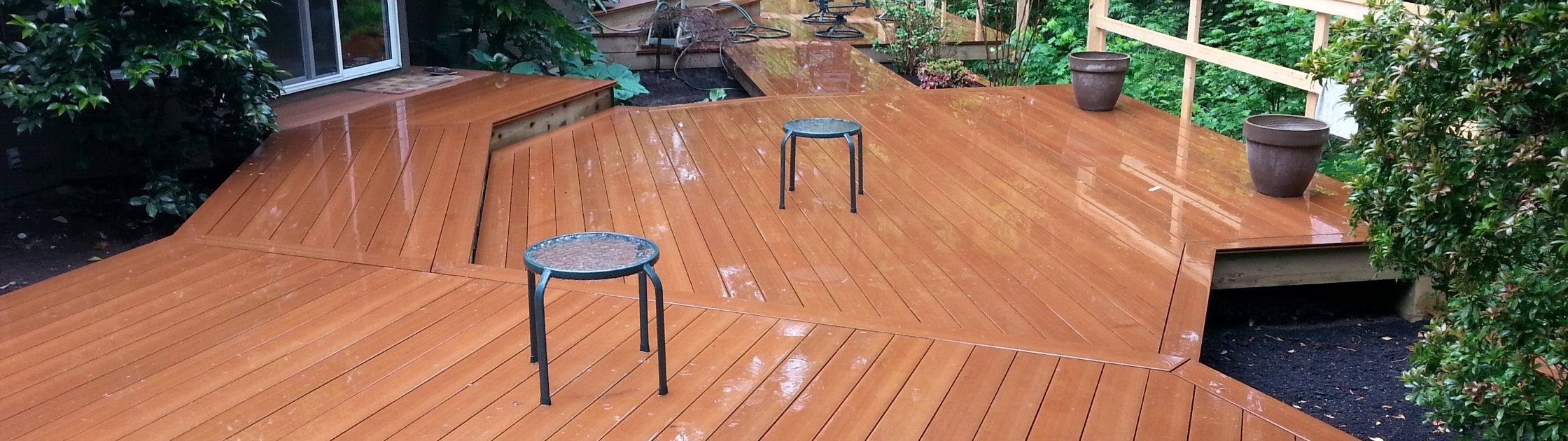
Dust, sand, and loose garden debris naturally accumulate over time. Clearing them away takes only a few minutes.
The Method: Begin by rinsing the deck thoroughly with a standard garden hose to clear loose particles. Next, wash the surface using a mixture of warm soapy water and a soft-bristle brush. Always avoid stiff wire brushes or metal scrapers, which will scratch the protective coating.
Lime Scale & Hard Water Deposits
If your deck is near a pool, garden sprinkler system, or exposed to mineral-rich rainwater, you may notice cloudy white patches known as lime scale.
The Method: Mix equal parts white vinegar and clean water. Spray or apply the solution directly onto the affected boards with a soft cloth. For stubborn, built-up deposits, allow the mixture to sit for 5 to 10 minutes to break down the minerals naturally, then simply wipe clean and rinse.
Oil, Grease, and Food Stains
Outdoor dining is one of the best parts of having a deck, but accidental drops of oil, grease, or food from the barbecue can happen.
The Method: Clean food spills as soon as possible, ideally within 7 days before the elements bake them into the surface. First, rinse the area with a hose to remove excess residue. Then, wash the spot with warm, soapy water, gently scrubbing with a soft brush to completely lift any remaining oil or grease.
Mould & Mildew
In humid environments, microscopic pollen, dirt, and organic material can settle on top of the deck boards, creating a breeding ground for mould spores.
The Method: Prevention is your best defense. Remove organic material and swept leaves regularly so mould has nothing to feed on. If you spot any growth, clean the area immediately with mild soapy water and a soft-bristle brush to completely eliminate it before it spreads.
Maintenance Checklist to Avoid Future Built-up
The easiest way to maintain a flawless deck is to prevent environmental residue from settling. Incorporate these simple habits into your home upkeep routine:
- Sweep Weekly: Keep organic debris like damp leaves and grass clippings off the boards to prevent organic material buildup.
- Ditch the Rubber Mats: Avoid using rubber-backed or latex welcome mats on composite decking. The chemical additives in rubber can react with the polymers in the deck, causing permanent discolouration. Opt for breathable jute or woven polypropylene rugs instead.
- Elevate Planter Pots: Use small risers or stands under outdoor flower pots to allow proper airflow and prevent trapped water rings.
- Rinse After Parties: Give your dining area a quick rinse with the hose after hosting a dinner or barbecue to catch faint food residues early.
Caring for your Composite Deck
Caring for your composite deck doesn’t require industrial scrubbers or specialized chemical treatments. Because composite products are engineered for maximum durability and low maintenance, they simply require a gentle, proactive touch. By using basic soapy water solutions, managing hard water with vinegar, and tackling food spills early, you can effortlessly protect your investment.
Looking for more expert advice on upgrading and protecting your home’s outdoor spaces? Explore Novano Asia’s full suite of home care guides and premium architectural solutions to keep your property looking flawless year-round.

FAQs
Can I use harsh chemical bleaches or industrial cleaners on my composite deck?
No, you should avoid aggressive chemical treatments entirely, as they can degrade the protective polymer cap and alter the deck’s colour. Stick to mild soapy water for general cleaning and a simple vinegar solution for mineral deposits.
How do I safely remove hard water stains and lime scale from the surface?
Mix equal parts white vinegar and water, then spray or apply it directly to the affected area with a soft cloth. Let it sit for 5 to 10 minutes on stubborn spots to dissolve the minerals, then wipe the surface clean.
What should I do if grease or food drips onto the deck during a barbecue?
You should rinse the area with a hose and clean it with warm, soapy water using a soft brush as soon as possible, ideally within 7 days. Prompt cleaning ensures that oils do not leave a lasting residue on the outer capped layer.
How can I prevent mould and mildew from growing on my composite deck?
Prevent buildup by regularly sweeping away pollen, dirt, and organic debris like fallen leaves that mould spores feed on. If any growth appears, simply wash it away immediately using mild soapy water and a soft-bristle brush.